

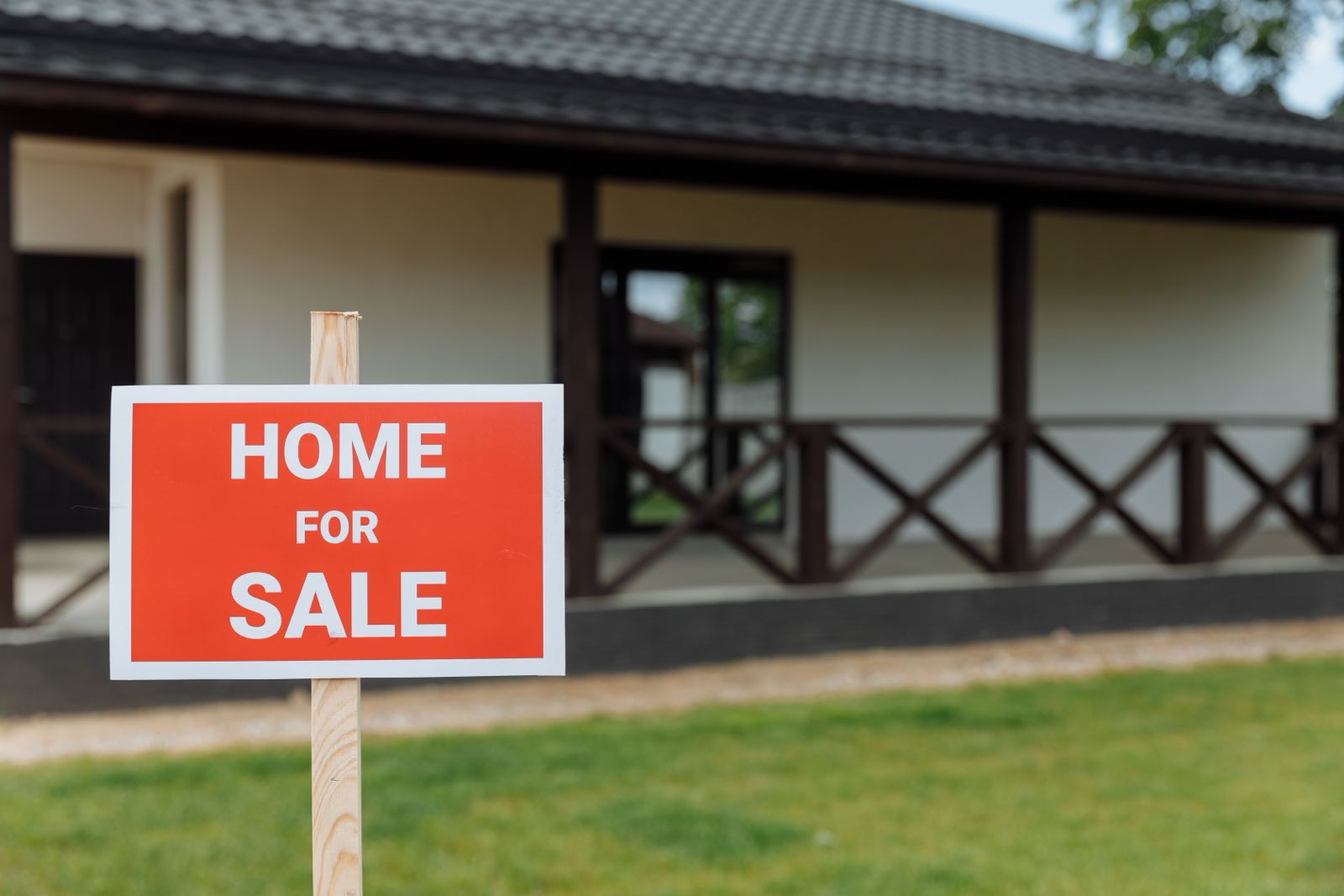
Selling a house requires a solid grasp of local buyers and active market trends. Housing patterns shift every single year, bringing new hurdles and fresh opportunities for homeowners. Learning these key patterns gives you a clear path to setting a great listing price.
Tracking Buyer Interest in Your Area
Buyer interest dictates how fast properties sell across every neighborhood. Teaming up with local cash buyers with good reviews gives home sellers a clear way to close deals without waiting on lenders. That peace of mind lets you plan your family moves on your own schedule.
Buyer demand shifts with area job growth and transit access. Houses near major transit hubs draw buyers who submit fast offers. Sellers who watch these simple trends can pick the best month to list their property.
Clean homes in good school zones can sell for $10,000 above list price. Knowing your buyer helps highlight the perks they want most. Small tweaks bring qualified shoppers through your front door.
Shifts in Total Housing Inventory
The volume of homes for sale changes your selling competition. Nationally aggregated inventory is up 5.6% on a year-over-year basis. More homes on the market mean property buyers have plenty of listings to view during open houses.
A growing supply means your house must look great from the street. Simple paint work, tidy flower beds, and clean floors make a strong impression on visiting shoppers. Good staging helps your listing stand out from other houses down the block.
Fixing small flaws keeps your house competitive against newer builds. Buyers want move-in ready spaces that need zero weekend work. A minor $500 yard update can return big dividends at the closing table.
Typical Timelines for Modern Home Deals
Patience helps homeowners navigate the whole sales cycle smoothly. Homes stayed on the market for a median of 31 days in August, up from 29 days in the previous month. That gives owners a realistic baseline for how long showings will last before an offer arrives.
A successful transaction requires careful planning long before listing day. Sellers should plan for each major step of the sale:
- Home preparation: Spending 2 weeks on minor repairs and deep interior cleaning.
- Active marketing: Hosting open house days and welcoming private buyer tours.
- Closing schedule: Allowing 30 to 45 days for final home inspections and mortgage paperwork.
Pricing Your Home for Strong Offers
Setting the right dollar figure on day 1 remains a huge step for sellers. An overpriced home scares off qualified buyers and sits for months without action. Fair pricing attracts multiple shoppers and sparks quick competitive bidding from the start.
Local sale records give you solid data from real completed deals. Look at recent home sales within a 1-mile radius of your house. Comparing square footage, lot size, and bedroom counts helps you pick a winning price point.
A competitive price creates instant urgency among serious buyers. When shoppers see strong value, they act fast and submit solid offers. Early momentum often leads to a clean closing with fewer repair demands.
Planning Your Next Move
Preparing to sell your house takes thoughtful steps, realistic timeframes, and smart pricing. Watch local trends closely as you get your property ready for new owners. Start planning your sale today and talk with a local real estate expert to get your listing moving.
Head on over to the blog to explore more articles and catch up on everything you might have missed!
 Lily James