

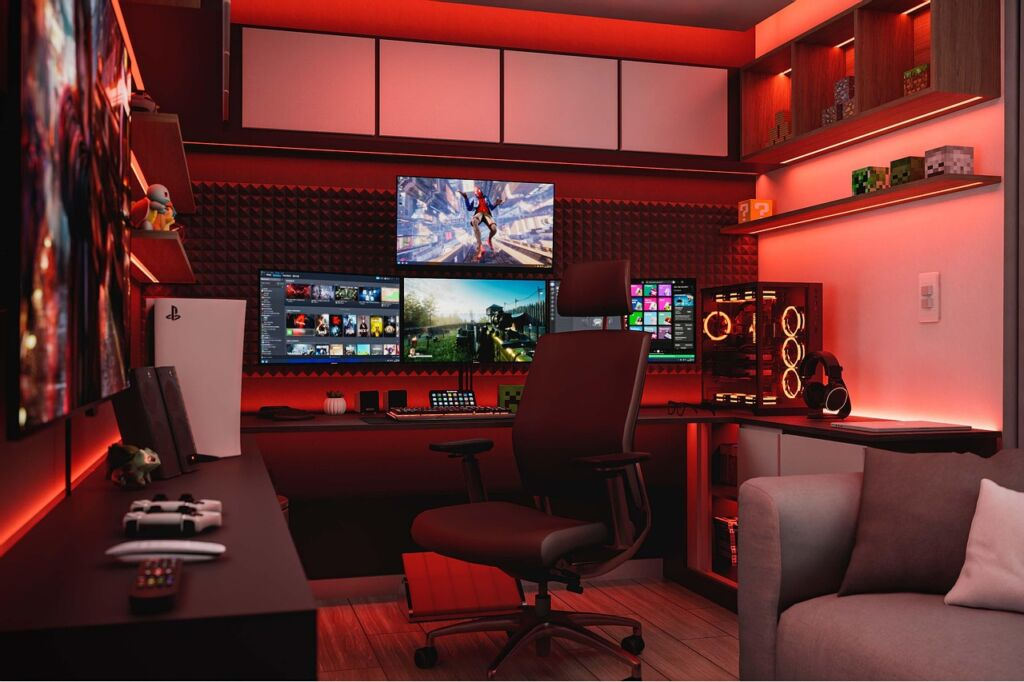
Home entertainment has changed fast in the last decade. People no longer rely only on cable TV or DVDs. Modern gaming platforms now lead the future of home entertainment with powerful graphics, online play, and smart features. Consoles, PCs, and cloud gaming services create rich digital worlds that feel real and exciting.
Gamers today expect smooth gameplay, fast loading, and social features. Developers respond with advanced engines, real-time updates, and cross-platform support. This shift makes gaming a central part of digital living rooms across the world.
How Modern Gaming Platforms Are Reshaping Home Entertainment
Modern gaming platforms offer more than just games. They provide streaming apps, voice chat, live events, and media centers in one system. Devices like PlayStation, Xbox, and gaming PCs work as full entertainment hubs.
Players explore deep customization in popular titles. For example, many fans search for contexto hints to unlock features and test new gameplay styles. This shows how gamers want more control and deeper interaction. Platforms now support modding tools, developer consoles, and community-driven content.
This level of flexibility keeps players engaged for years. It also builds loyal communities around games and consoles.
The Rise of Cloud Gaming and Digital Access
Cloud gaming has changed how people access content. Instead of buying physical discs, users stream games online. This method reduces hardware limits and allows instant access to large libraries.
Below is a simple comparison of traditional and cloud gaming models:
| Feature | Traditional Gaming | Cloud Gaming |
| Hardware Needed | Console or Gaming PC | Stable Internet |
| Game Access | Physical or Download | Online Streaming |
| Storage Space | Limited by Device | Cloud-Based |
| Updates | Manual Download | Automatic |
| Mobility | Fixed Location | Play Anywhere |
Cloud technology makes gaming more flexible and affordable. Families can now enjoy high-quality games without expensive upgrades. This change shapes the future of home entertainment systems.
Smart Features and Interactive Experiences
Gaming platforms now include AI-driven systems, voice control, and smart recommendations. These features create a personal entertainment experience. Users receive game suggestions based on play history and interests.
Developers also improve user interfaces through helpful tools. For example, some players use laxiom to manage commands and settings more smoothly during gameplay. These tools enhance control without breaking immersion. The result is faster access to settings and improved performance management.
Interactive storytelling also grows stronger. Games now offer branching narratives, realistic characters, and dynamic environments. This level of immersion makes gaming feel like watching a live movie where players control the story.
Social Connectivity and Community Growth
Modern gaming platforms connect millions of users worldwide. Players join multiplayer matches, live tournaments, and online communities. Social gaming builds friendships and shared experiences.
Streaming platforms also play a key role. Gamers broadcast gameplay to global audiences. Viewers interact in real time through chat and reactions. This connection turns gaming into a shared entertainment event.
Below is a quick overview of how gaming supports social interaction:
| Social Feature | Benefit |
| Multiplayer Mode | Real-time global play |
| Voice Chat | Team communication |
| Live Streaming | Audience engagement |
| Online Forums | Community support |
| Cross-Platform Play | Larger player base |
Gaming now blends social media and entertainment into one experience. This trend strengthens user engagement and platform growth.
Virtual Reality and Immersive Technology
Virtual reality and augmented reality bring a new level of immersion. VR headsets allow players to step inside digital worlds. Motion tracking adds realistic movement and interaction.
These technologies support fitness games, educational simulations, and virtual travel. Families use VR for shared entertainment sessions at home. As hardware becomes more affordable, adoption continues to grow.
Developers also improve graphics with ray tracing and 4K resolution. Faster processors reduce lag and increase realism. These upgrades make home entertainment more cinematic than ever before.
The Role of AI in Future Gaming Platforms
Artificial intelligence shapes the future of modern gaming platforms. AI improves enemy behavior, adaptive difficulty, and realistic animations. It also powers personalized gaming suggestions.
Machine learning analyzes player behavior and improves matchmaking. This ensures balanced gameplay and fair competition. AI also supports voice assistants and automated updates.
The integration of AI makes gaming smarter and more user-friendly. As technology advances, entertainment systems will become even more intuitive and immersive.
The Economic Impact of Gaming Platforms
The gaming industry now earns billions each year. It creates jobs in development, design, streaming, and esports. Companies invest in cloud services, hardware innovation, and digital marketplaces.
Subscription services also increase revenue streams. Users pay monthly fees for access to game libraries and exclusive content. This model keeps entertainment affordable and steady.
Gaming also influences other industries like film, music, and education. Cross-media storytelling and interactive learning tools expand the value of gaming platforms.
What the Future Holds for Home Entertainment
The future of home entertainment centers on integration and convenience. Gaming platforms will combine streaming, social media, and interactive content in one ecosystem. Users will control everything from one device.
5G networks will reduce latency and improve online performance. Cloud servers will host more powerful games without heavy hardware needs. VR and AR will become common in homes.
Families will spend more time exploring shared digital experiences. Entertainment will become more interactive and personalized. Modern gaming platforms will continue to lead this transformation.
Conclusion
Modern gaming platforms redefine how people experience home entertainment. They combine high-quality graphics, cloud access, social interaction, and smart AI features. Gamers enjoy deeper control, immersive storytelling, and global connectivity.
As technology evolves, gaming systems will become even more powerful and flexible. The future of home entertainment belongs to platforms that blend innovation, community, and intelligent design. Gaming no longer stands apart from entertainment—it drives its next chapter.