

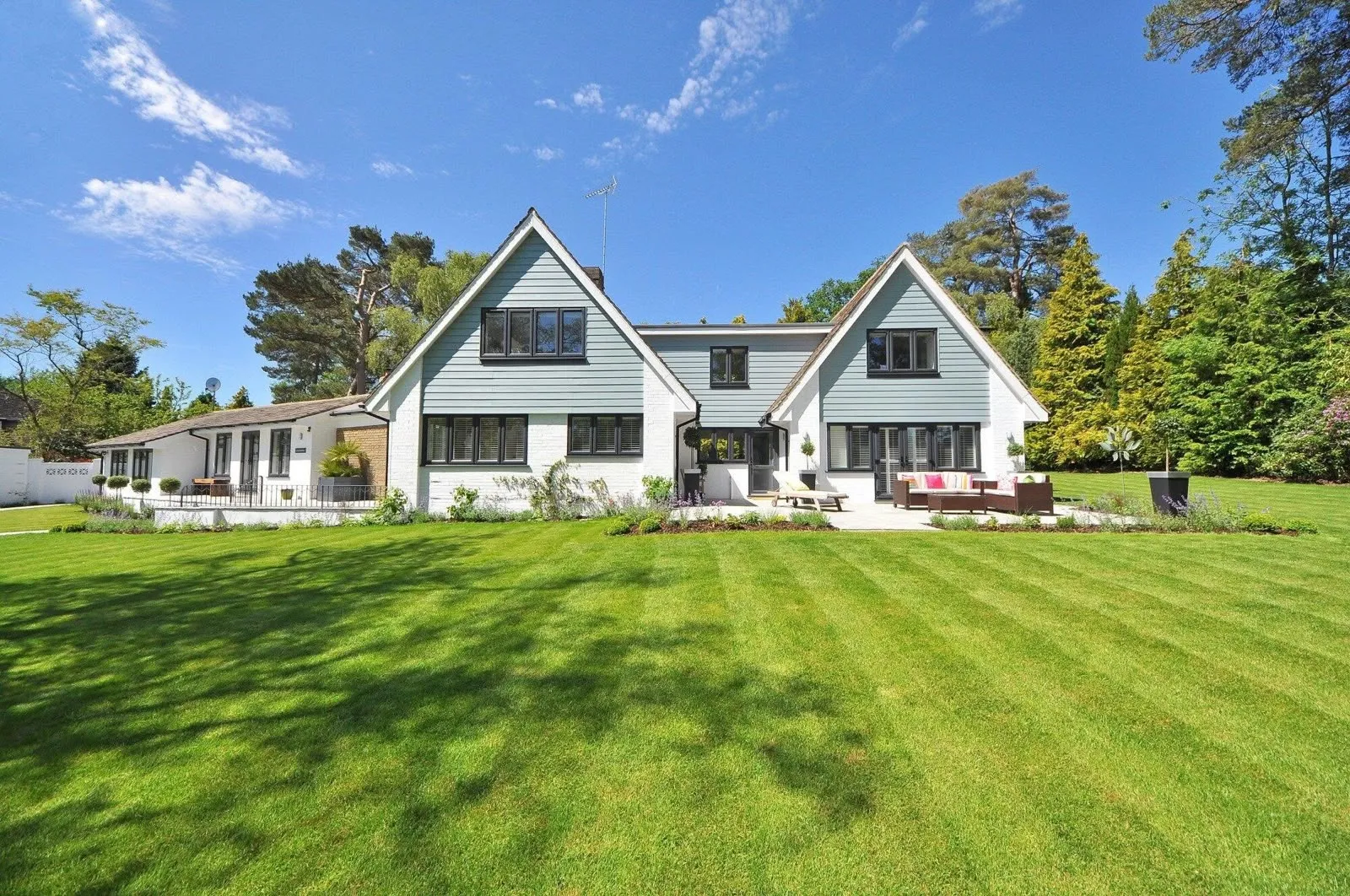
Your backyard should feel like a private retreat, not a stage for the neighbors. Yet open yards can leave you exposed to passing cars and nearby windows. To create more privacy, most homeowners choose between two options: trees or fences.
Both options have clear benefits. The right choice depends on your budget, timeline, and plans for your outdoor space. Here is how they compare.
Speed and Immediate Coverage
If you want privacy right away, a wood or vinyl fence is the clear winner. A crew can install a 6-foot fence in just a few days. Once it is built, you can enjoy your yard without waiting for plants to grow.
Trees take much longer to create a solid screen. Most privacy trees need 3 to 5 years to provide useful coverage. They may take up to 10 years to reach full size. Larger nursery trees can speed up the process, but they also cost more.
Upfront Costs and Long-Term Value
A fence requires a larger upfront investment. Material and labor costs can reach thousands of dollars, depending on the size of your yard and the type of fence. A fence also stays at the same height. It cannot grow taller if a neighbor builds a new deck.
Trees often cost less per foot to plant. They also become more useful as they grow. A 2026 real estate analysis found that well-kept privacy screens may offer resale returns of 100% to 217%. Mature trees also add beauty and soften harsh property lines.
Maintenance and Lifespan
Both options need regular care. Wood fences need cleaning, staining, and repairs. Strong winds can damage boards, while vinyl panels may crack in cold weather. Shaded sections can also collect algae.
Evergreen trees need a different kind of care. Young trees need water during dry summers, fresh mulch each spring, and light trimming. With good soil and enough space, many evergreens can live far longer than a standard wood fence.
Best Evergreen Trees for Privacy
Choosing the right trees can make a big difference. Local trusted landscaping professionals can help you select plants that suit your soil, sunlight, and yard size.
Smart Planting Tips
Use staggered rows. Planting trees in a straight line can leave gaps between trunks. An offset pattern creates a fuller screen and gives roots more room to grow.
Prepare the soil. Dig wide holes and mix compost into the soil. Give fast-growing trees at least 5 to 8 feet of space so sunlight can reach their lower branches.
Why Not Use Both?
You do not have to choose just one option. A shorter fence paired with evergreen trees can offer the best of both worlds.
The fence provides instant privacy at ground level. As the trees grow, they block higher views from nearby windows. A cedar fence can also create a warm backdrop for young plants.
Check Local Rules First
Before building or planting, check local codes and homeowner association rules. Many towns limit backyard fences to 6 feet. This may not block views from second-story windows.
Hedges often have fewer height limits, but rules about property lines and branches may still apply. Talk with your neighbors before work begins. A friendly conversation can help avoid disputes and make your yard more peaceful.
Final Thoughts
Also read: Desert Gardening Made Easy: 4 Heat-Hardy Plants That Thrive
Fences offer fast privacy, while trees provide lasting beauty and natural cover. Combining both can give you comfort now and a greener backyard for years to come. Make sure to check out the rest of our articles!