

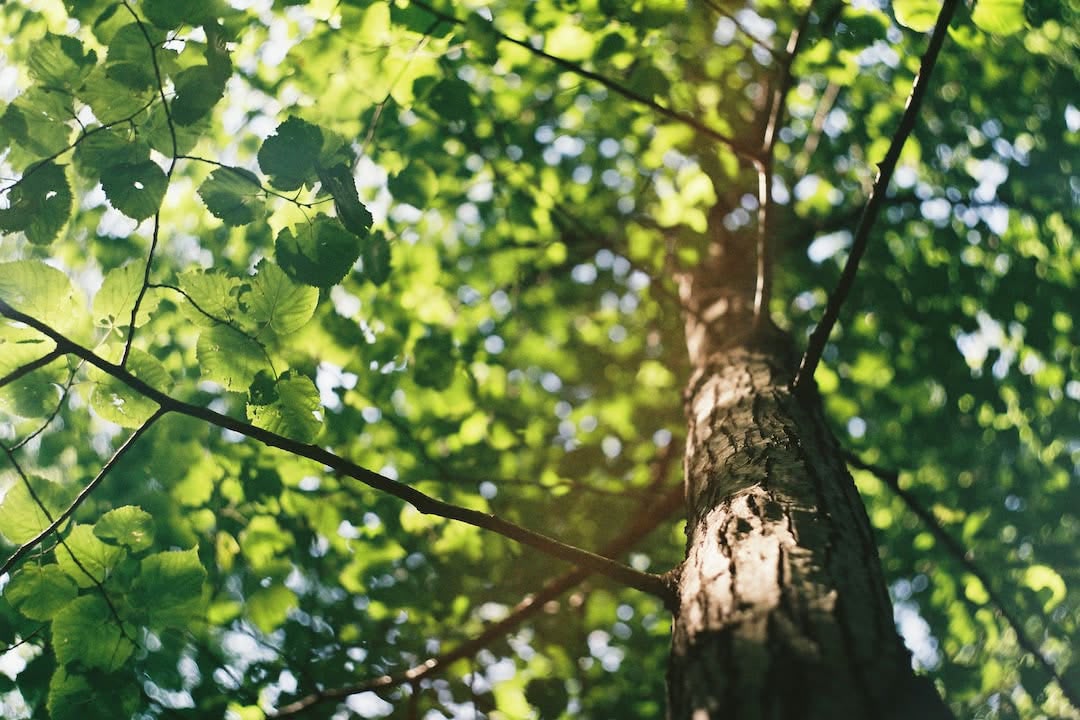
Trees shed weak wood naturally in dense woods, though yard trees need human care to stay safe. Clearing away problematic limbs improves a tree’s look and removes easy entry points for insects and diseases. Open crowns let warm sun and fresh air reach inner leaves, cutting down on damp rot.
Strong, well-shaped trees do much more than shade your patio on hot summer days. Well-maintained trees can boost residential property values by up to 20%. Putting steady effort into routine care pays off in curb appeal and lower storm cleanup bills.
How Local Care Protects Your Property
Homeowners in Kennesaw, Georgia deal with heavy clay soil, humid summers, and sudden afternoon storms that test weak tree limbs. Reaching out to this Kennesaw tree company helps local property owners spot hidden structural flaws before severe weather hits. Skilled crews know how regional oaks, pines, and maples react to heat and wind stress.
Trying to saw high branches from a shaky ladder puts you and your roof at grave risk. Trained arborists bring proper rigging gear and sharp tools to lower heavy wood safely. You get peace of mind knowing every cut supports long-term stability.
Reducing Wind Resistance and Structural Stress
Long, heavy branches act like levers when strong gusts sweep across your yard. Shortening overextended limbs lowers torque and structural stress on a tree without harming its natural shape or function. Even weight across the crown keeps trunks upright during heavy rain and winter ice storms.
Spotting Weak Branch Unions Early
Narrow V-shaped forks often trap bark between 2 competing stems, creating a hidden split point. Wide U-shaped angles form stronger wood fibers that hold up under heavy loads. Trimming back twin leaders early stops the trunk from splitting down the middle years later.
Thinning crowded outer twigs lets strong wind pass right through the upper crown. A dense, tangled canopy catches gusts like a giant sail and pulls hard on the roots. Light thinning takes pressure off the trunk without ruining the tree’s natural outline.
Stopping Disease Before It Spreads
Fungi and bacteria enter trees fast through cracked bark, rubbing limbs, and broken stubs. When cutting diseased limbs, keeping the pruning wound small and sanitizing tools prevents pathogens from spreading to healthy parts of the tree. Wiping blades with rubbing alcohol between cuts takes seconds and saves nearby branches.
Early detection keeps minor tree issues from turning into costly removals. Watch for these warning signs when walking through your yard:
- Peeling bark or sunken dark patches along the trunk and major limbs
- Mushrooms or shelf fungi growing near the base of the roots
- Leaves turning yellow or brown in mid-summer on a single branch
- Crossing limbs that rub together when the wind blows
Most routine shaping works best during late winter rest, though urgent hazards follow different rules. Dead, dying, or storm-damaged branches can be safely pruned at any point during the year. Cutting away rotten wood right away keeps decay from spreading deeper into the main trunk.
Setting the Right Pruning Schedule by Tree Age
Every tree needs a different level of care based on its age and growth speed. Young trees benefit from structural pruning every 2 to 3 years, whereas healthy mature trees typically only need pruning every 3 to 5 years. Early training builds a sturdy central trunk and well-spaced main branches that last for decades.
Once a tree reaches full size, yard care shifts from heavy shaping to gentle upkeep. Light annual pruning keeps shade and ornamental trees looking neat without placing unnecessary stress on them. Spacing out larger cuts gives the bark plenty of time to seal each wound on its own.
Common Pruning Mistakes That Harm Trees
Bad cutting habits cause lasting harm that can shorten a tree’s life by decades. Stripping too much of a tree’s canopy at once makes future restoration pruning difficult and expensive. Taking off more than 25% of live leaves in a single year starves the roots of stored energy.
Why Topping Is Never the Answer
Topping chops off main upright stems and leaves ugly stubs across the upper crown. Shocked trees react by shooting out dozens of weak water sprouts that snap easily in mild wind. Proper crown work trims limbs back to healthy side branches instead of hacking straight across the top.
Making Clean Cuts That Heal Fast
Trees do not heal wounds as human skin does – they seal off hurt wood by growing thick callus rings around the edges. Cutting flush against the trunk slices into the branch collar and ruins this natural shield. Leaving a long stub creates dead wood that draws in carpenter ants and rot.
Heavy limbs can tear bark down the trunk if you slice straight through in one pass. Follow the 3-cut method whenever you take off a thick branch:
- Make a shallow undercut 12 inches out from the trunk so falling bark cannot strip down the stem.
- Saw straight down from the top 2 inches past your notch to drop the heavy weight safely.
- Finish with a clean final cut just outside the swollen branch collar at a slight outward angle.
Choosing the Right Tools for Safe Yard Work
Dull blades crush plant fibers and leave ragged edges that dry out slowly. Sharp bypass pruners work great for twigs under 3/4 inch thick, and long loppers cut branches up to 2 inches wide. Curved pruning saws slice smoothly through thicker wood without sticking in green sap.
Basic safety gear shields you from falling sawdust, snapping twigs, and sharp steel edges. Wear thick leather gloves, wraparound safety glasses, and a hard hat when working above shoulder height. Keep both feet planted firmly on solid ground and leave high limb work to trained climbers.
Start Building Stronger Trees Today
Related: Seasonal Tree Maintenance for Safer Homes and Yards
Healthy, strong trees start with patient care and clean, well-timed cuts. Walk through your yard this week to spot low limbs, dead wood, or crowded branches that need work. Book a seasonal checkup with a skilled local arborist or set up a simple care plan so your trees thrive for years to come.
 Edward Robinson