

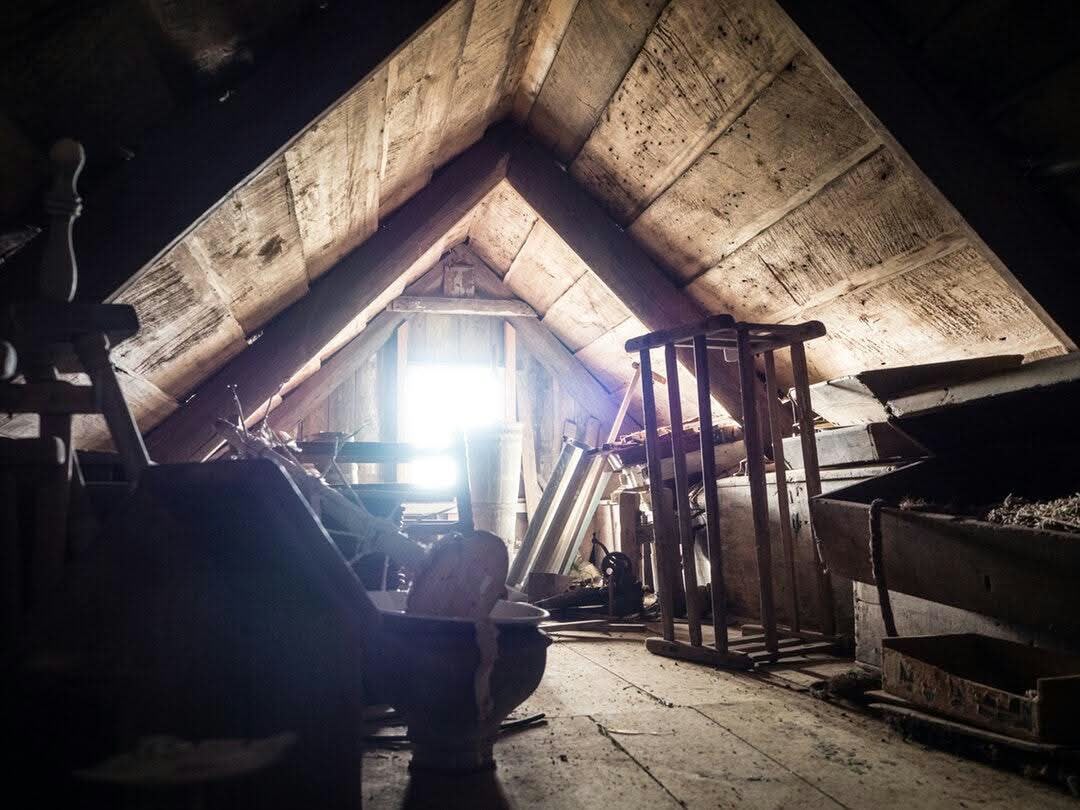
Cold fall nights push squirrels, raccoons, bats, and mice to look for warm shelter indoors. Your attic offers dry padding, rising heat from living rooms below, and safe corners away from owls and hawks. Sealing your roof now keeps your home quiet, dry, and safe from $1,000+ winter repair bills.
Continue reading to discover everything you need to know!
Animal habits change fast once days grow short and night air turns crisp. Tree squirrels spend October and November gathering nuts and building warm winter nests high off the ground. Mice and roof rats follow scent trails along outer walls.
They slip indoors at night to escape frost and outdoor predators. Working on your roof in mild fall weather beats climbing onto icy shingles in January. Dry boards give you safe footing when checking vents and trim.
Animals can leave on their own in autumn without leaving helpless babies behind. Fixing small gaps early stops minor roof wear from turning into a major winter mess.
How Local Trees and Weather Put Attics at Risk
Homeowners across Woodstock, Georgia live near thick oak woods, rolling hills, and mild winters that still bring sharp cold snaps from November through February. Planning for wildlife exclusion in Woodstock stops local gray squirrels, flying squirrels, and roof rats from using hanging tree limbs as bridges onto your roof. Strong fall rain and gusty winds in Cherokee County can lift ridge vents and loose soffits right when critters hunt for dry shelter.
Sealing these weak spots during clear fall days keeps your roof tight before winter frost sets in. Heavy tree cover creates easy paths for climbing animals across North Georgia yards.
Common Animals That Invade Attics During Cold Weather
Different animals target different parts of a house. Knowing their habits helps you find hidden gaps fast.
Gray squirrels and southern flying squirrels climb rough brick and bark with ease, chewing through soft wood and plastic vents. Gray squirrels make noise at dawn and dusk, and flying squirrels glide onto roofs after dark to scurry across beams at night.
Daytime Climbers vs. Nighttime Visitors
Raccoons, roof rats, and house mice bring their own risks once cold weather arrives. Raccoons use strong front paws to rip loose shingles, bend thin metal vents, and pry up soffit panels.
Mice slip through a crack just 1/4 inch wide. Roof rats climb downspouts and power lines to reach high roof gaps.
Entry Sizes You Need to Watch
Small holes often look harmless from the ground. Even a tiny gap can let 10 or 12 pests indoors within weeks.
A full-grown gray squirrel only needs a 1.5-inch hole to squeeze into your attic framing. Bats flatten their bodies to enter a 3/8-inch slit behind loose trim or ridge caps.
Warning Signs of Wildlife Already Inside Your Attic
Before you seal any holes along your roof, check closely for clues that animals live upstairs. Trapping critters inside an attic leads to frantic chewing, torn wires, and bad smells. Walk your top floor and shine a bright light into the attic hatch to look for these clear clues:
- Scratching, rolling, or scurrying sounds coming from the ceiling at dawn, dusk, or midnight.
- Dark droppings shaped like rice grains, small pellets, or larger tubes along insulation paths.
- Fresh wood chips, torn paper, or shredded batting piled near rafters and gable vents.
- Greasy brown or black rub marks along wooden beams, pipes, and tight roof gaps.
- Strong urine smells or yellow water stains showing up on upstairs drywall ceilings.
If you spot any of these clues, hold off on closing the main entry hole right away. You must guide the animals out safely before you fasten permanent metal covers over the gap.
Inspecting Your Roofline, Soffits, and Fascia Boards
A smart roof check begins on the ground with binoculars on a bright morning. Walk slowly around your yard and scan where soffit panels meet siding. Pay close attention to corners, eaves, and roof valleys.
Look for bent trim, daylight shining through cracks, or claw marks on painted wood. Next, set up a safe ladder to check your gutters and upper wood trim up close. Clogged leaves and pine needles often cause gutters to overflow onto the fascia boards sitting between the gutter trough and the house wall.
When trapped water rots that wood, soft spots form that let bugs and climbing rodents chew right into the attic space. Clearing leaves out and replacing rotted fascia boards shuts down an easy path into your roof.
Sealing Roof Vents, Ridge Vents, and Exhaust Fans
Attic vents let hot, damp air escape from under your roof deck. Standard builder-grade covers rarely stop strong animals. Plastic gable louvers, thin turbine vents, and open ridge vents bend fast when pushed by a raccoon or chewed by a squirrel. Bath and kitchen exhaust fans venting through the roof or soffit often use light plastic flaps that critters lift with their noses.
Cover every roof and gable opening with heavy steel vent guards built to block wildlife. Pick guards made from 16-gauge or 18-gauge steel mesh with 1/4-inch holes. That grid size lets air move freely and keeps mice outside. Fasten each guard straight into solid wood framing with rust-proof screws instead of staples or glue.
Protecting Chimneys, Flashing, and Dormer Corners
Chimneys and roof dormers form tricky angles where shingles meet tall walls. Those roof intersections rank among the top targets for winter pests. Step flashing along dormer sides can lift after hot summers and cold storms, leaving narrow gaps right above the roof deck.
Raccoons and squirrels often peel back loose metal flashing and chew through the bare wood boards underneath. An open brick chimney acts like a wide tunnel straight into your home for raccoons, squirrels, and birds.
Bolt on a stainless steel chimney cap with stiff side mesh and a spark guard. This cap closes the flue top without blocking smoke draft. Check the mortar crown around the clay flue for cracks and seal loose flashing with thick roofing cement.
Choosing Chew-Proof Exclusion Materials That Last
Many homeowners grab cans of spray foam, window screen, or plain caulk when patching small roof holes. Those quick fixes rarely last 7 days against sharp rodent teeth or strong raccoon claws. Animals rip out soft foam and thin screen fast – leaving behind an even wider gap than before.
Metal should serve as your main barrier whenever you patch holes around roofs and utility lines. Persistent mice and rats test every seal over and over, gnawing at soft edges until weak patches give way. Pairing 16-gauge steel hardware cloth, sheet metal flashing, and copper mesh with thick exterior caulk builds a tough shield. Rodents cannot chew through heavy-gauge metal barriers.
Trimming Overhanging Branches and Managing Yard Attractants
Even a tight roof faces heavy wear when nearby trees give animals an easy bridge to your shingles. Squirrels can jump 6 to 8 feet across open air from a tree branch onto a gutter or gable edge. Trim back hanging limbs so at least 8 feet of open space separates tree branches from your roof.
Pull climbing ivy off brick walls so rats cannot climb straight to the eaves. Cutting back outdoor food and shelter around your yard lowers the number of animals testing your roof each night. Simple fall yard chores make your lot far less tempting during cold weeks:
- Move bird feeders at least 15 feet from the house and add smooth baffles to block squirrels.
- Store dry pet food, birdseed, and grass seed inside tight metal cans with locking lids.
- Clamp outdoor trash cans shut with heavy bungee cords so raccoons cannot tip them open.
- Clear brush piles, leaf heaps, and stacked firewood away from your home’s outer walls.
- Rake up fallen acorns, nuts, and yard fruit before they draw hungry mice and rats.
Securing Utility Lines, Pipe Boots, and Gable Gaps
Pipes and wires entering your house create 10 or more small holes that shift as outdoor air turns cold. Rubber plumbing vent boots on the roof dry out and crack after 8 to 10 years in the sun.
Those cracks open a ring right around the pipe. Mice and flying squirrels drop down beside the pipe and slip straight into the attic framing below.
Sealing Wall Penetrations and Cables
Check power masts, cable lines, and cooling pipes where they pass through siding or soffits. Pack copper mesh tightly into any gap wider than 1/4 inch.
Coat the joint with paintable exterior caulk or a custom sheet metal collar. Check wooden gable trim and louvers for shrunken caulk lines, sealing every seam before freezing nights hit.
How Attic Wildlife Damages Insulation and Energy Efficiency
Animals cause far more harm than late-night noise once they settle into your attic for winter. Once squirrels move into an attic, they pack down, tear up, and tunnel through fiberglass or cellulose pads to build warm nests. Homes with squirrels inside their attic insulation often lose up to 30% more energy through the roof after the animals crush and scatter the padding.
Your furnace then runs longer cycles all winter, pushing power and gas bills higher each month. Waste and hidden fire risks add steep costs the longer animals stay upstairs. Urine and droppings soak into insulation and wooden beams, causing foul smells and unsafe dust in the air.
Squirrels and rats gnaw nonstop to keep their front teeth short. They strip plastic covers off live wires and raise the risk of a house fire.
Checking Recessed Lights and Attic Hatches
Gap checks should cover the inside of your attic floor as well. Loose attic hatch covers and unsealed recessed light cans let warm indoor air leak upward. That rising warmth draws cold animals straight toward weak spots above your ceiling.
Safe Removal Steps Before Sealing Entry Points
If your roof check proves that animals are living inside the attic, safe removal must come before permanent sealing. Mount a one-way exclusion door over the main entry hole after you seal all other gaps around the roof. One-way doors use a spring flap or wire funnel.
Critters push outside at dusk to look for food, and the door blocks them from climbing back inside. Check the calendar and listen closely for soft chirping before setting a one-way door on any roof. In late winter and early spring, mother squirrels and raccoons raise newborn litters hidden deep inside the attic padding.
Moving or reuniting young safely stops mothers from ripping new holes through your roof to reach their babies. Leave the one-way door in place for 5 to 7 days of mild weather.
Cold storms can keep animals hunkered down inside for days at a time. Once you hear no movement for 3 straight nights, remove the door and bolt a permanent steel patch over the hole.
Sanitizing and Restoring Your Attic After Exclusion
Once every animal leaves and you swap the one-way door for heavy steel mesh, clean and restore the attic floor. Put on a snug N95 mask, throwaway coveralls, and thick work gloves before stepping into a dirty attic. Use a HEPA vacuum to pick up droppings and ruined padding rather than sweeping, which sends harmful dust into the air.
Spray bare beams and wood decking with an enzyme cleaner to break down urine odors and wipe out scent trails. Without deep cleaning, passing squirrels and raccoons next fall will smell old nests and chew hard at your metal patches. Finish the work by adding fresh blown-in insulation to reach full R-values so your home stays warm all winter.
Setting a Simple Yearly Inspection Habit
A quick 20-minute check each October and March keeps small roof issues from growing into costly damage. Walk your yard after heavy windstorms to spot bent vents, fallen branches, or loose flashing right away. Catching minor wear early saves hundreds of dollars in attic repairs.
Keep Your Attic Protected All Winter Long
Sealing your attic before winter hits saves you from noisy nights, ruined padding, and costly roof repairs. Checking soffits, trimming tree limbs, and bolting down steel guards block the paths squirrels, raccoons, and mice use in cold weather. Simple roof checks each fall keep your home tight and your heating bills steady.
If you spot chewed vents, soft fascia boards, or signs of attic guests, book a full attic and roof check before freezing air arrives. Reaching out to a skilled local wildlife exclusion pro helps make sure every gap gets sealed safely and humanely. Taking action today gives you warm rooms and peace of mind all winter long.
Check out the rest of our site for more!