

Healthy trees add shade, curb appeal, and value to any residential property. Without regular upkeep, heavy limbs and hidden decay can turn a backyard asset into a serious hazard during bad weather.
Following a seasonal maintenance routine keeps your trees strong through all 4 seasons of the year. Small steps taken at the right time protect your roof, vehicles, and family from preventable branch failures.
Continue reading to discover everything you need to know!
Why Year-Round Tree Care Protects Your Property
Trees respond differently to temperature shifts, rainfall patterns, and daylight hours across the calendar. Ignoring care for several years lets weak branches grow too heavy and allows minor trunk wounds to spread deeper into the wood.
Routine care catches structural flaws early – long before a strong thunderstorm turns a cracked limb into roof damage. Healthy canopies resist wind gusts better than overgrown crowns packed with dead wood.
Taking a steady approach saves money on emergency cleanup and keeps mature trees standing for decades. Your yard stays safer when every season has a clear, simple checklist.
Spring Inspections After Winter Weather
Warm spring weather triggers fresh leaf growth and reveals hidden damage from winter winds and freezing rain. Walking your yard early in the season helps you spot cracked limbs before local Sandy Springs arborists see their spring schedules fill up. Checking trees in March or April gives you plenty of time to address minor issues before heavy summer storms arrive.
Look closely at where major branches meet the main trunk for splits or peeling bark. Soft, spongy spots near the base of the trunk often signal root trouble or internal rot.
Spring is a smart time to refresh mulch rings around young and mature trees alike. Spread 2 to 3 inches of organic mulch in a wide circle, keeping it several inches away from the bark to prevent moisture buildup.
Managing Summer Heat and Storm Stress
Long stretches of high temperatures place heavy demand on a tree’s water supply and root system. A recent Georgia tree care checklist notes that summer months are tough on local canopies, with heat, drought, storms, and pests all peaking together. Giving stressed trees extra attention during June, July, and August prevents sudden limb drop.
Deep watering during dry spells helps roots grow downward rather than staying near the hot soil surface. Soak the root zone slowly once or twice a week when rainfall drops below 1 inch.
Avoid heavy pruning in mid-summer, since removing too many leaves exposes tender inner bark to sunscald. Stick to clearing broken hangers after summer squalls pass through your neighborhood.
Fall Pruning and Yard Preparation
Autumn is a good time to prepare your yard for winter. Trees slow their growth as the weather gets cooler, so this is a good chance to check their condition. Trim branches that hang within 10 feet of your roof to stop them from rubbing against shingles. Keep branches away from walls and gutters to reduce damp areas and limit access for pests.
Focus on some simple autumn tasks:
- Rake leaves off the lawn
- Clear gutters and remove twigs
- Check supports on young trees
- Look for holes and sawdust
Winter Dormancy and Structural Work
Once leaves drop in late fall, the bare branch structure of deciduous trees becomes easy to see clearly. Winter dormancy makes it simple to spot crossing limbs, narrow branch angles, and dead wood hidden during warmer months.
Pruning during cold weather puts less stress on most hardwood species – trees seal cuts efficiently when spring sap begins to flow. Fewer active insects and fungal spores are present in winter, lowering the chance of fresh cuts catching a disease.
Removing dead or rubbing branches in January or February shapes a balanced canopy that handles wind loads cleanly. Always make clean cuts just outside the branch collar rather than leaving long stubs behind.
Spotting Warning Signs of Tree Failure
Trees often show signs of trouble before they fall. Checking your yard often can help you spot problems early and protect your home. After heavy rain, look at the soil around large trees. Raised soil or exposed roots on one side may mean the roots are coming loose.
Watch for some common warning signs:
- Mushrooms growing near tree trunks
- Deep cracks in large branches
- Bare branches during warmer months
- A sudden change in tree angle
If you notice the signs, contact a tree expert. Acting early can help prevent damage and keep your family safe.
Why Professional Tree Work Matters for Safety
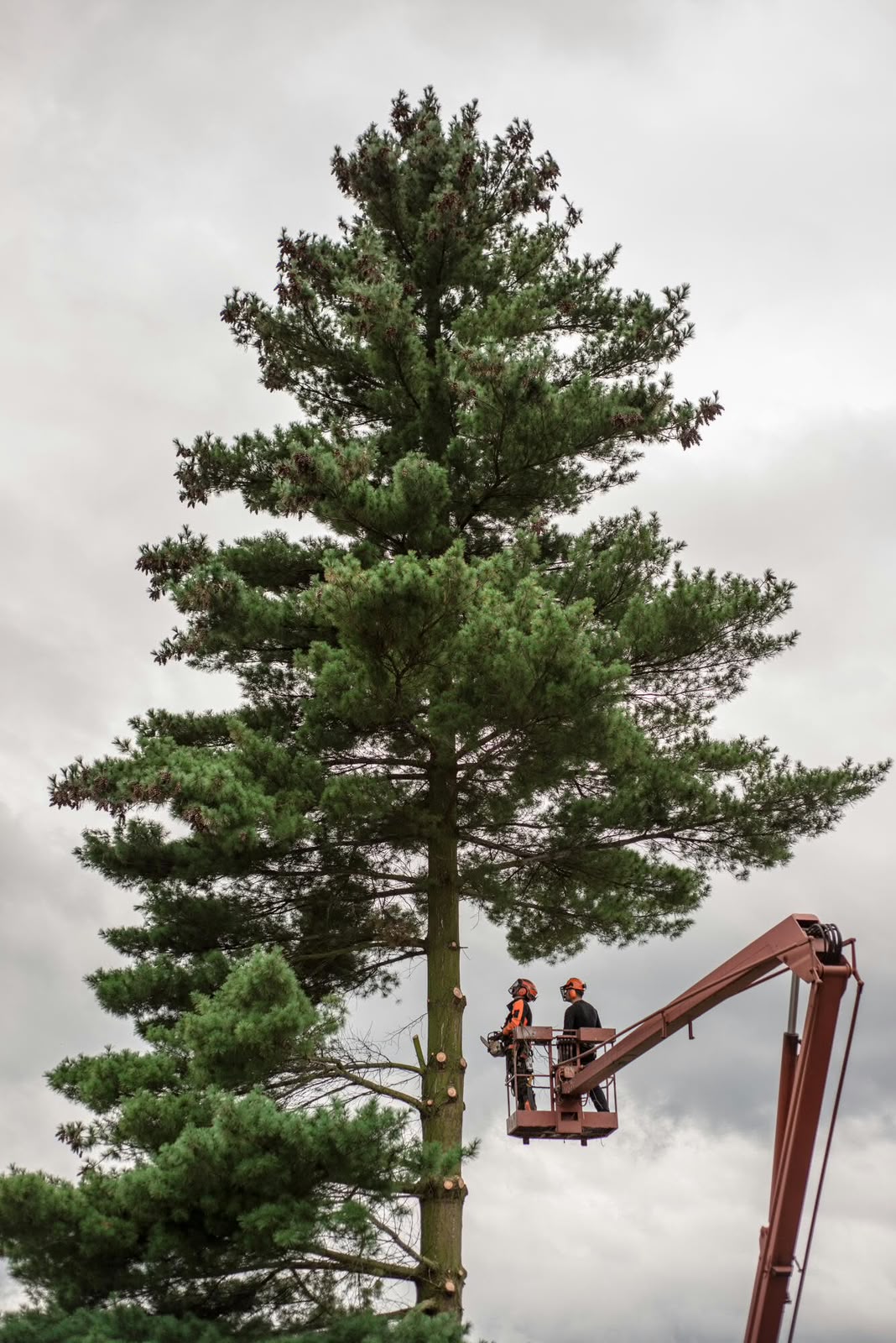
Ground-level tasks like raking, mulching, and watering are safe weekend projects for most homeowners. Climbing ladders with chainsaws or cutting heavy overhead branches near power lines puts untrained people in immediate danger.
An industry review of Bureau of Labor Statistics data shows that tree trimmers and pruners face a fatality rate near 110 per 100,000 workers, which is roughly 30 times the all-industry average of 3.4 to 3.8 per 100,000. Trained crews rely on specialized rigging ropes, helmets, and climbing gear to lower heavy wood safely without hitting nearby structures.
Hiring insured specialists protects both your family and your home when high canopy work is needed. Leave anything above shoulder height or close to utility lines to experienced tree crews.
Building a Simple Annual Care Routine
Consistent habits keep yard maintenance manageable instead of turning into an expensive emergency project. Marking 4 seasonal checkups on your home calendar turns tree care into a quick 20-minute walk around your property.
Keep a simple folder or phone album with photos of your largest trees taken from the same angles each year. Comparing photos side by side makes it easy to notice subtle changes in canopy fullness or trunk lean.
Pair your seasonal walk-throughs with routine home chores like gutter cleaning and lawn care. Staying proactive keeps your yard safe, shaded, and welcoming in every season.
Keeping Your Yard Safe with Consistent Tree Care
A well-maintained yard starts with paying attention to how your trees change from spring through winter. Simple seasonal checks catch weak limbs, root stress, and storm damage before they threaten your home.
Stick to a steady rhythm of watering, mulching, and timely pruning throughout the year. Your trees will stay stronger, your property will stay safer, and every season outside will feel a little more peaceful.
Also read: Desert Gardening Made Easy: 4 Heat-Hardy Plants That Thrive
If you’d like to learn more, check out more articles on our blog.