

NFT collections have become a major part of the digital world. They allow artists, creators, brands, and communities to publish unique digital items on a blockchain. These items may include artwork, music, game assets, membership passes, or virtual fashion.
Many people find NFTs confusing at first because the topic includes new terms and technology. However, the basic idea becomes easier when you understand each step. This guide explains NFT collections in simple language, from creation to buying and ownership.
What Is an NFT?
NFT stands for non-fungible token. It is a unique digital record stored on a blockchain. Unlike regular cryptocurrencies, each NFT can have its own design, value, number, and features.
For example, one Bitcoin has the same value as another Bitcoin. However, one NFT may look different and have different traits from every other NFT in the same collection. This uniqueness helps prove ownership of a digital item.
An NFT does not always store the full image or file on the blockchain. In many cases, it stores information that connects to the digital content. This information may include the NFT name, image location, creator, traits, and token number.
What Is an NFT Collection?
An NFT collection is a group of related NFTs created under one project. The items usually share a common theme, visual style, story, or purpose. Some collections contain only a few items, while others include thousands of NFTs.
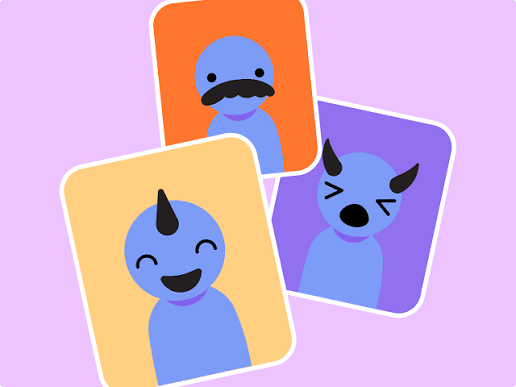
A collection may feature animals, robots, fantasy characters, digital cards, or pink themed profile photos. Each item may look similar at first, but small traits can make every NFT different.
Creators often give each item a unique mix of backgrounds, clothing, colors, accessories, and facial features. These details are known as traits. Some traits appear often, while others remain rare.
Step 1: The Creator Plans the Collection
The first step involves planning. The creator decides what the collection will represent and who it is designed for. A clear idea helps the project look professional and consistent.
The creator may develop a story, brand name, artwork style, and total supply. Total supply means the number of NFTs available in the collection. For example, a project may launch 1,000, 5,000, or 10,000 items.
The team may also decide whether the NFTs will provide extra benefits. These benefits can include community access, event tickets, game features, voting rights, digital rewards, or future content.
Step 2: The Artwork Is Created
After planning, the creator starts producing the artwork. Small collections may include fully hand-drawn pieces. Large collections often use a trait-based system.
In a trait-based collection, artists create separate layers. These layers may include backgrounds, eyes, hats, clothes, mouths, and accessories. A computer program then combines these layers to create many unique images.
The team must review the final artwork carefully. It should remove duplicate items, incorrect combinations, or design errors before launch.
Step 3: Metadata Is Prepared
Metadata contains important information about each NFT. It may include the item’s title, description, image, token number, and traits.
NFT marketplaces read this metadata and display it to buyers. Clear metadata makes it easier for users to understand the features of each item.
Creators may store NFT files and metadata through decentralized storage services. These services can make digital content more stable than keeping it on one private server.
Step 4: A Smart Contract Is Created
A smart contract is a program that runs on a blockchain. It controls important parts of the NFT collection, such as minting, ownership, supply, and transfers.
The smart contract may also include rules about creator royalties. Royalties can allow creators to receive a percentage when an NFT is resold. However, royalty support may depend on the marketplace.
A strong smart contract should be tested before launch. Coding mistakes can create security risks or cause problems for buyers.
Step 5: The NFTs Are Minted
Minting is the process of creating an NFT on the blockchain. When an NFT is minted, it receives a token number and becomes part of the official collection.
Some creators mint every NFT before the public sale. Others allow buyers to mint directly from the project website. Buyers usually connect a digital wallet and pay the mint price plus a network fee.
Network fees can change based on blockchain activity. Popular networks may become more expensive during busy periods.
Step 6: The Collection Is Listed for Sale
After minting, the NFTs can appear on an NFT marketplace. A marketplace allows users to view, buy, sell, and sometimes bid on digital items.
The collection page often shows the total number of items, owners, floor price, sales activity, and trading volume. The floor price usually means the lowest listed price in the collection.
Buyers should confirm that they are viewing the official collection. Fake collections may copy names, images, and descriptions to confuse users.
Step 7: Buyers Research the Project
Research is an important step before buying any NFT. A buyer should study the project team, artwork, smart contract, community, roadmap, and trading history.
A high price does not always mean strong value. Some collections become popular because of hype, while others grow through useful features and active communities.
Buyers should also check wallet security and marketplace links. They should never share a wallet recovery phrase or private key with anyone.
Step 8: Ownership Is Recorded
When a person buys an NFT, the blockchain records the transfer. The buyer’s wallet becomes the new owner of the token.
This record can be checked publicly through a blockchain explorer. It shows the wallet address, token details, and transaction history.
NFT ownership does not always include copyright. The creator may still control the commercial rights to the artwork. Buyers should read the collection’s licence terms before using an NFT for business purposes.
Why Rarity Matters in NFT Collections
Rarity describes how common or uncommon an NFT’s traits are. An item with rare clothing, a special background, or a limited accessory may attract more interest.
However, rarity does not guarantee value. Demand, artwork quality, project trust, community strength, and usefulness can also affect prices.
Some buyers collect rare items, while others choose NFTs based on personal taste. Both approaches are common in the market.
Final Thoughts
Understanding NFT collections becomes easier when you follow the process step by step. A creator plans the idea, produces the artwork, prepares metadata, creates a smart contract, and mints the tokens. Buyers can then explore the collection through a marketplace.
NFTs can offer digital ownership, creative expression, and community access. However, they also involve financial and security risks. Careful research, wallet safety, and realistic expectations can help users make better decisions in the NFT space.